How to read these comparisons
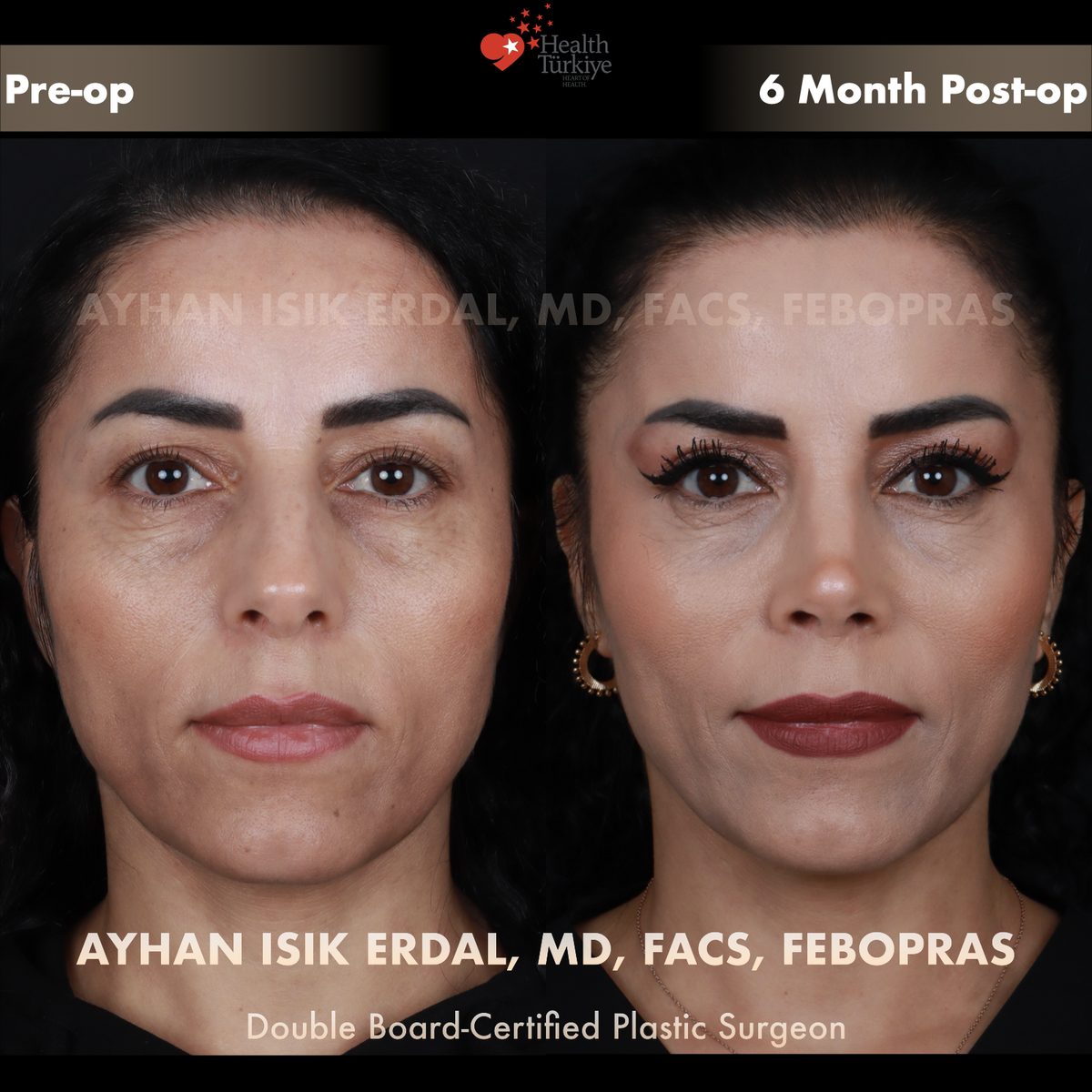
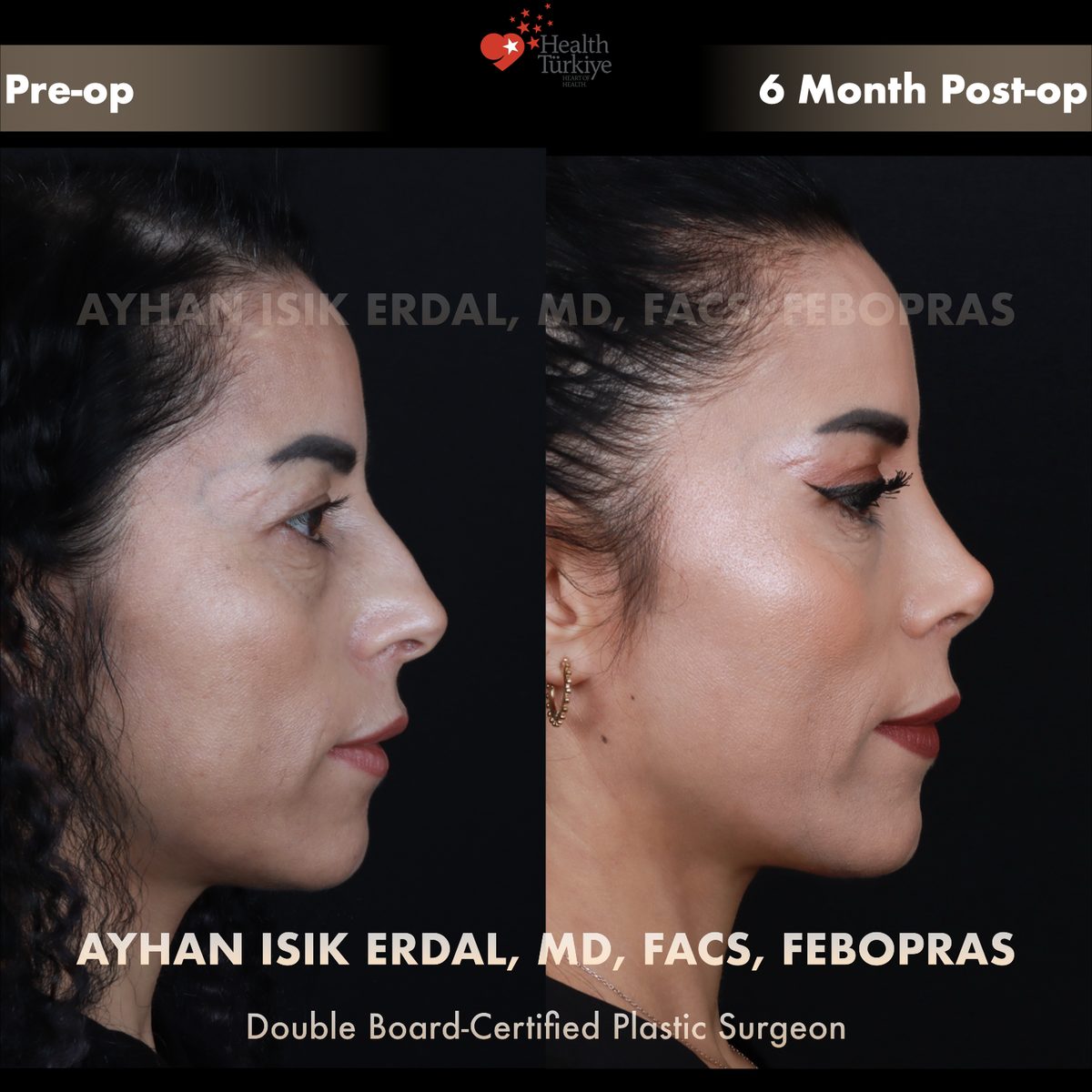
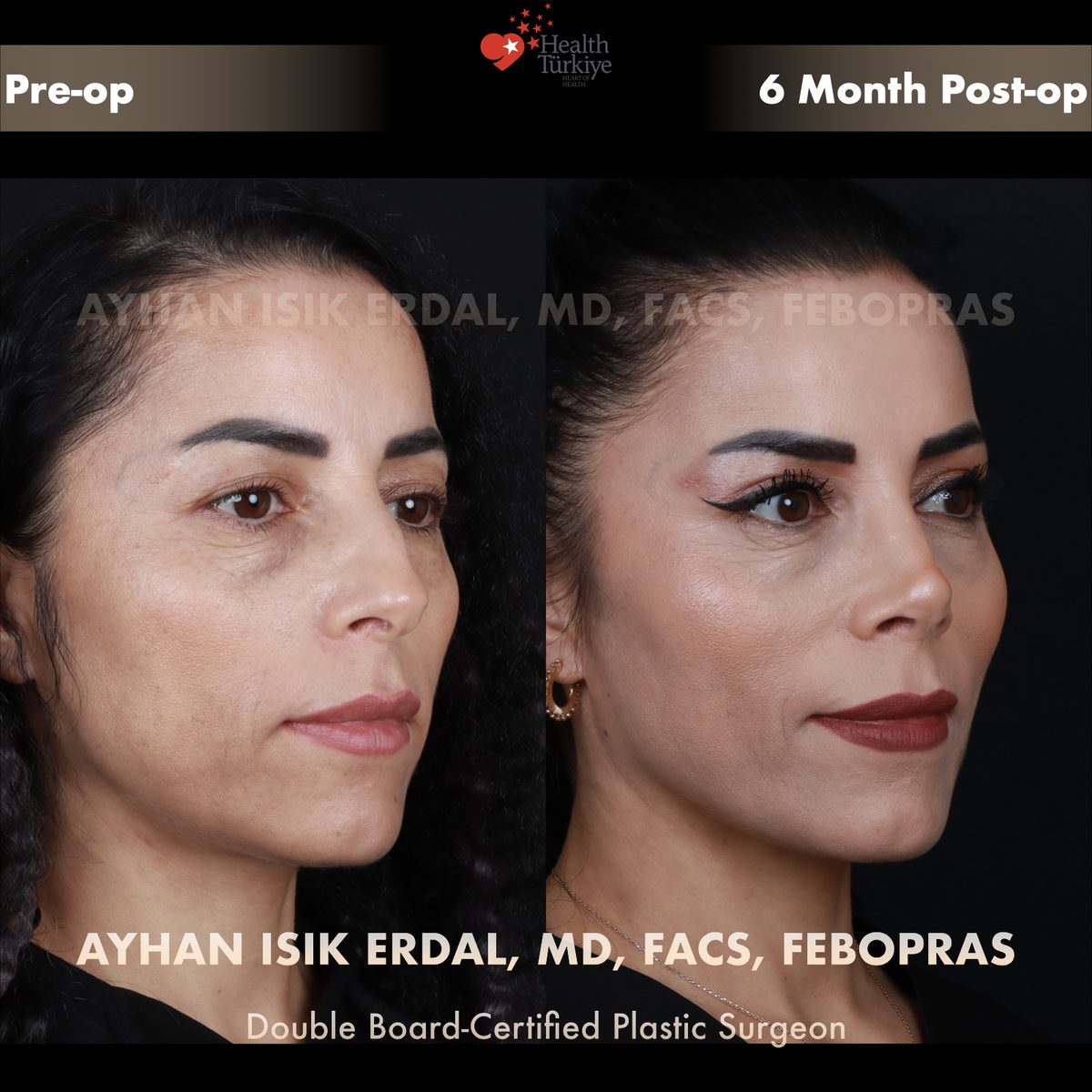
Every comparison shows the same patient under matched lighting and pose, photographed pre-operatively and again at 3–6 months post-op when residual swelling has fully settled. We deliberately publish cases at this final-result interval rather than at 4–8 weeks — the early-recovery period when swelling can make outcomes look more dramatic than they really are.
What you should look for: resolution of the lower-lid bag contour, smoother lid–cheek transition, preserved natural eye shape, and no surgical "signature" — these patients should look like themselves on a well-rested day, not like a different person.
If a result here looks "subtle" to you, that's the goal. The clearest sign of good blepharoplasty is that no one can tell you had blepharoplasty.
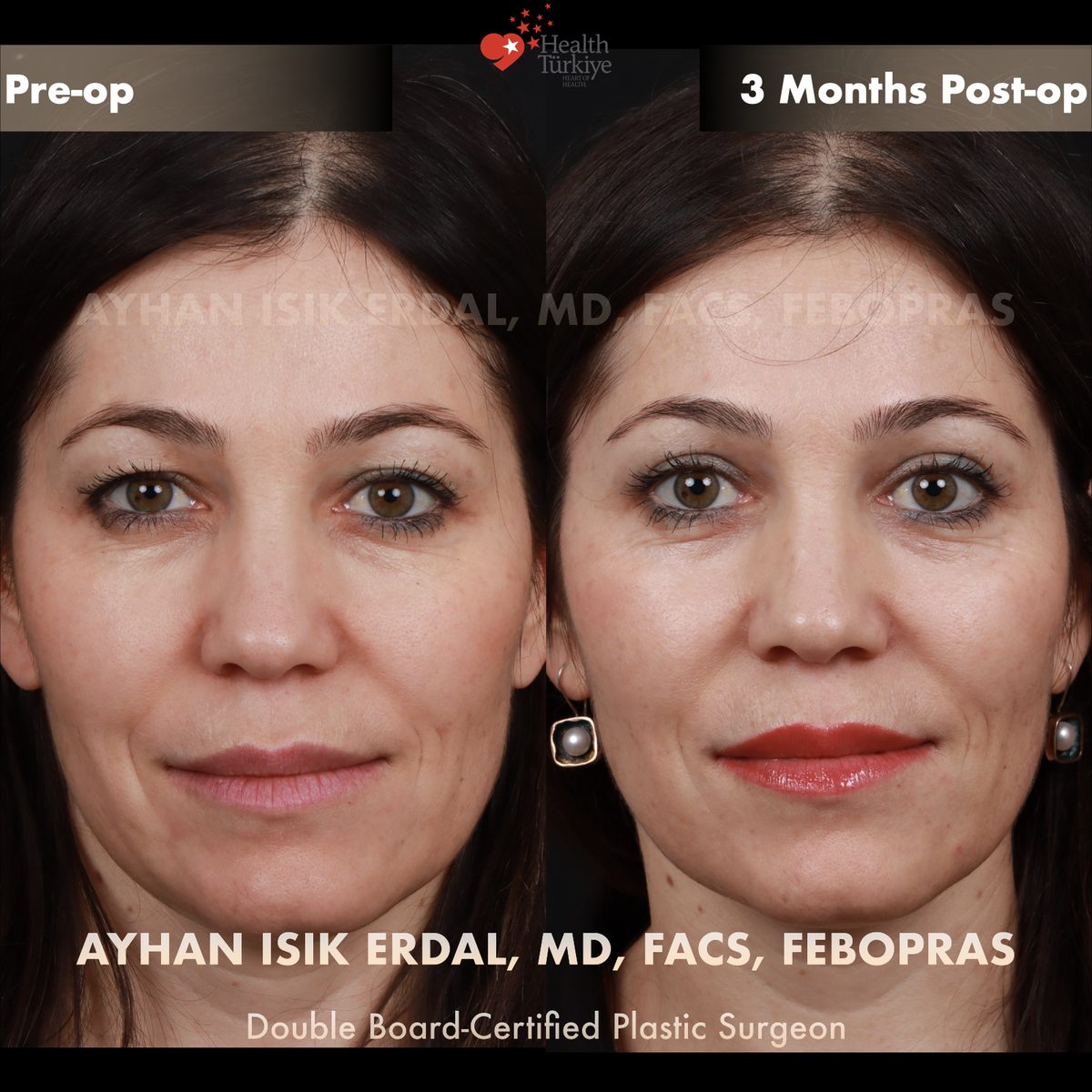
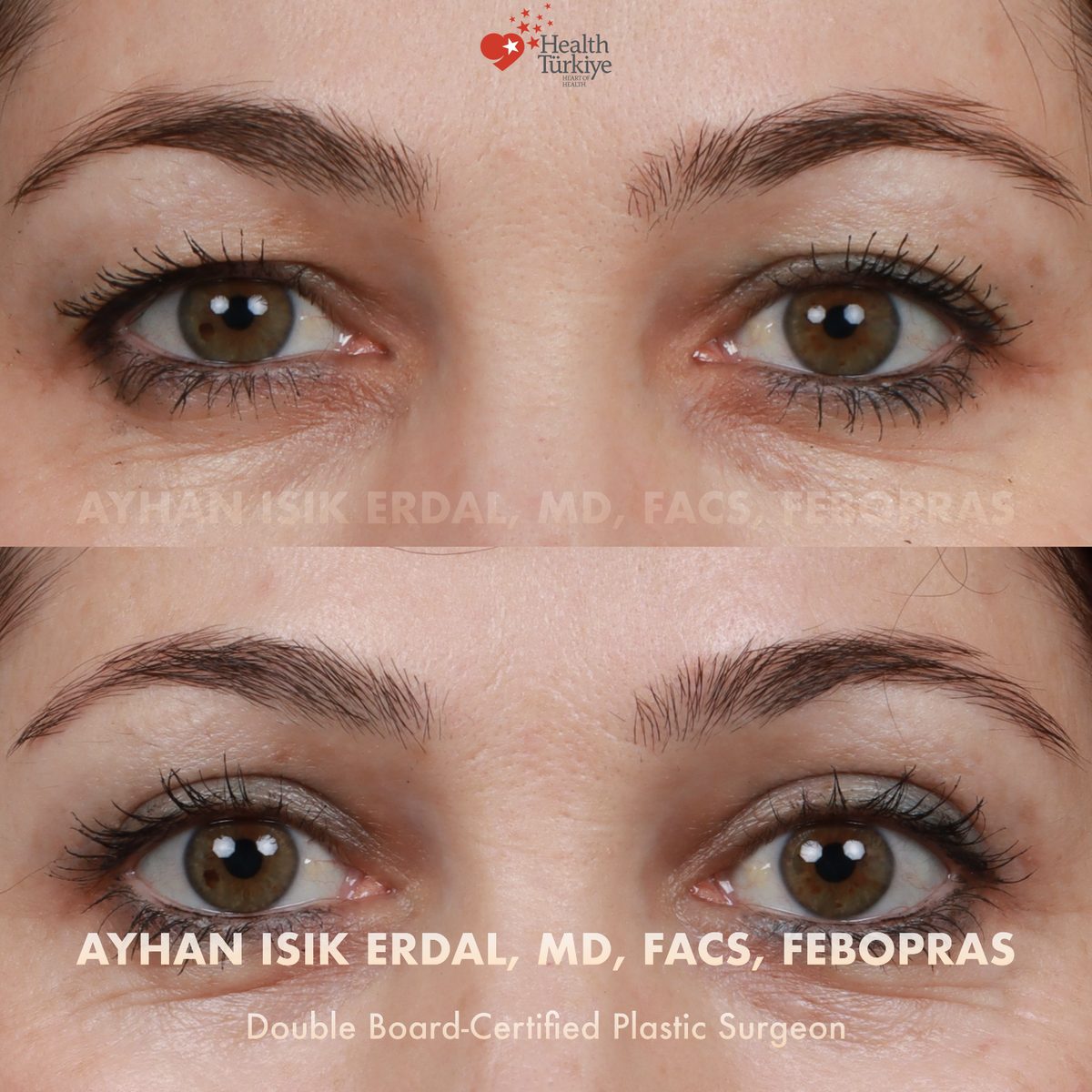
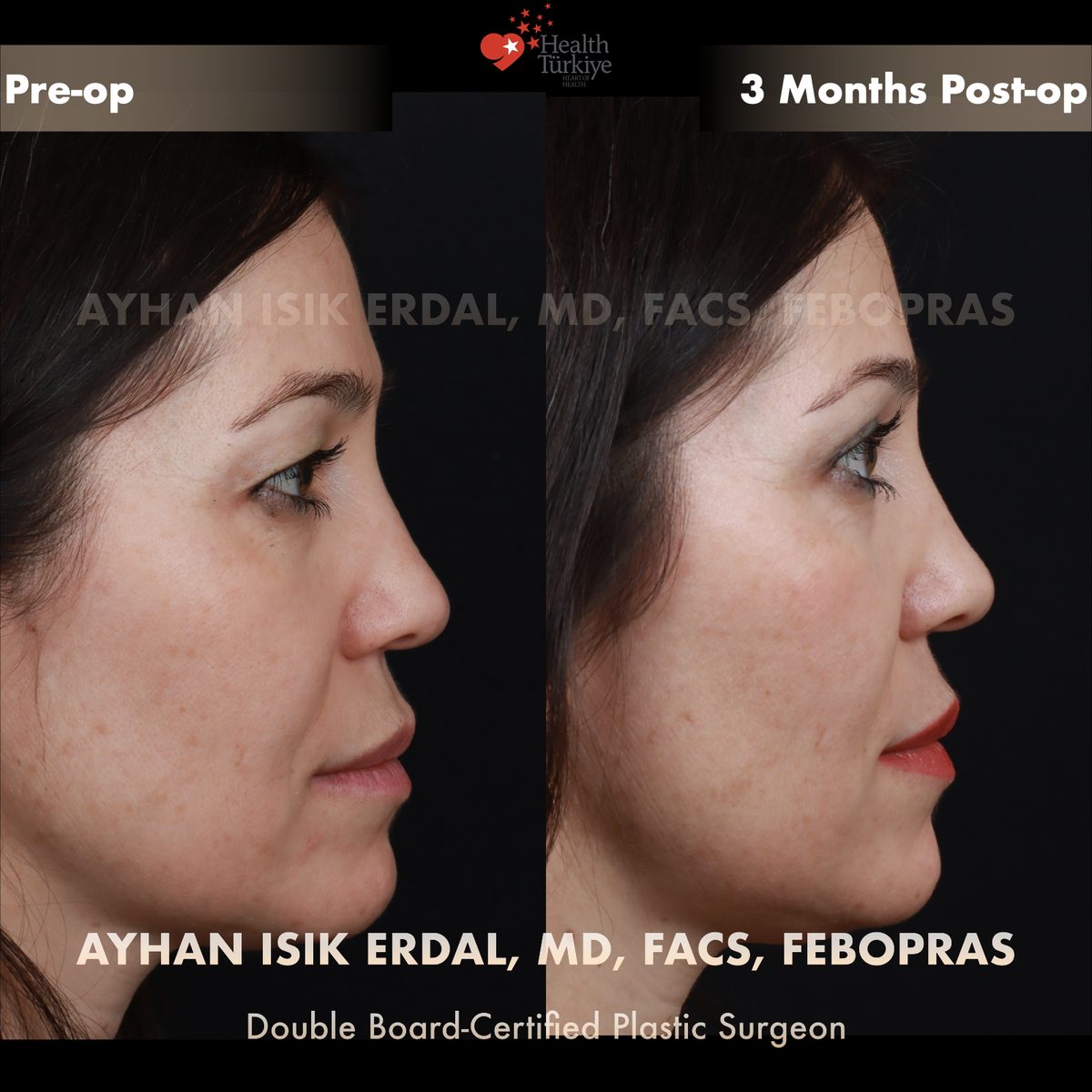
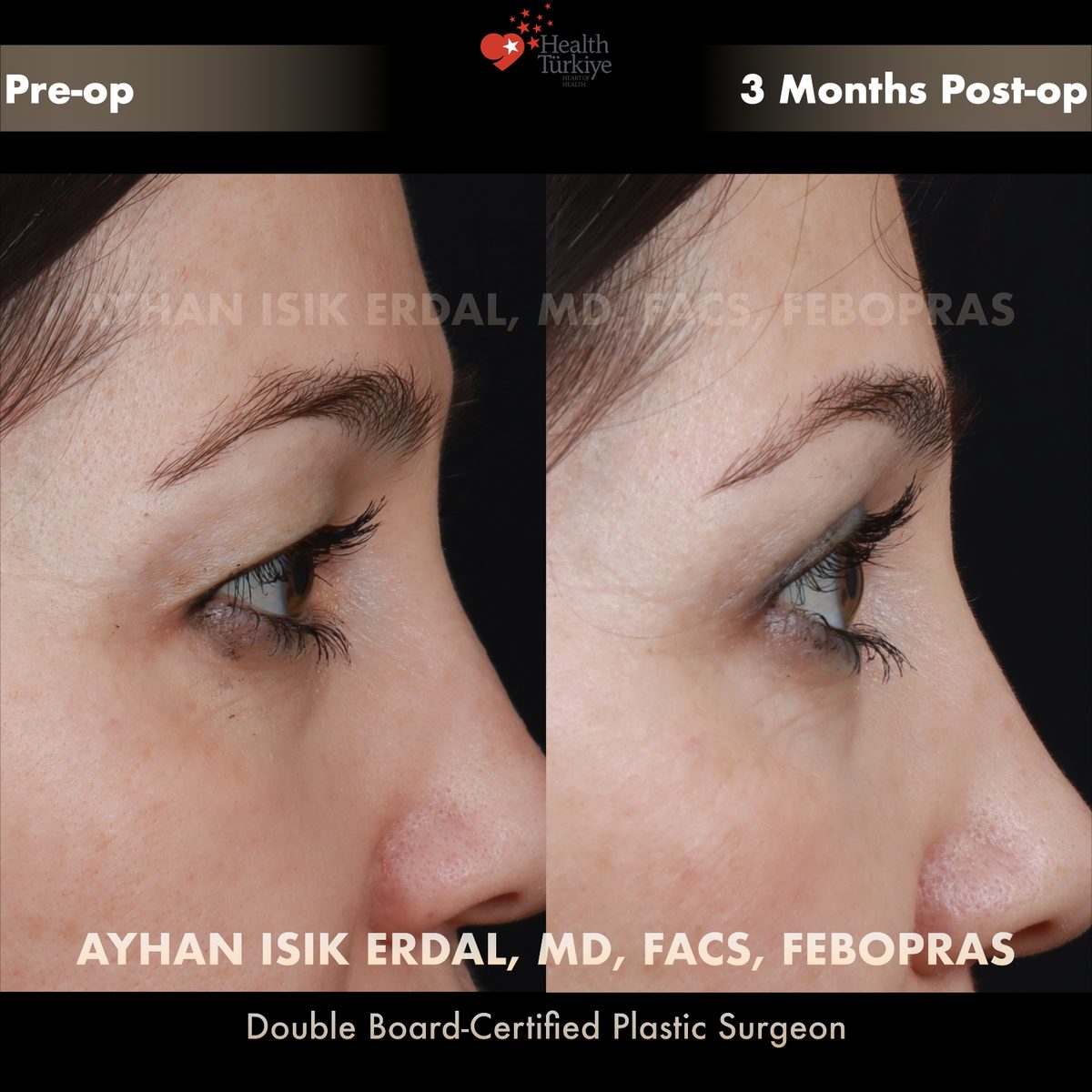
Case 1 · Lower blepharoplasty · 3 months post-op
Lower blepharoplasty addressing fat herniation and tear-trough hollowing.
Mid-40s female patient. Pre-operative findings: visible lower-lid fat bags with a deepening tear-trough hollow extending from the inner canthus. Approach: transconjunctival lower blepharoplasty with fat repositioning over the orbital rim — preserving volume rather than excising. Post-op result at 3 months shows smooth lid-cheek transition, resolved bag contour, and noticeably reduced under-eye shadowing.
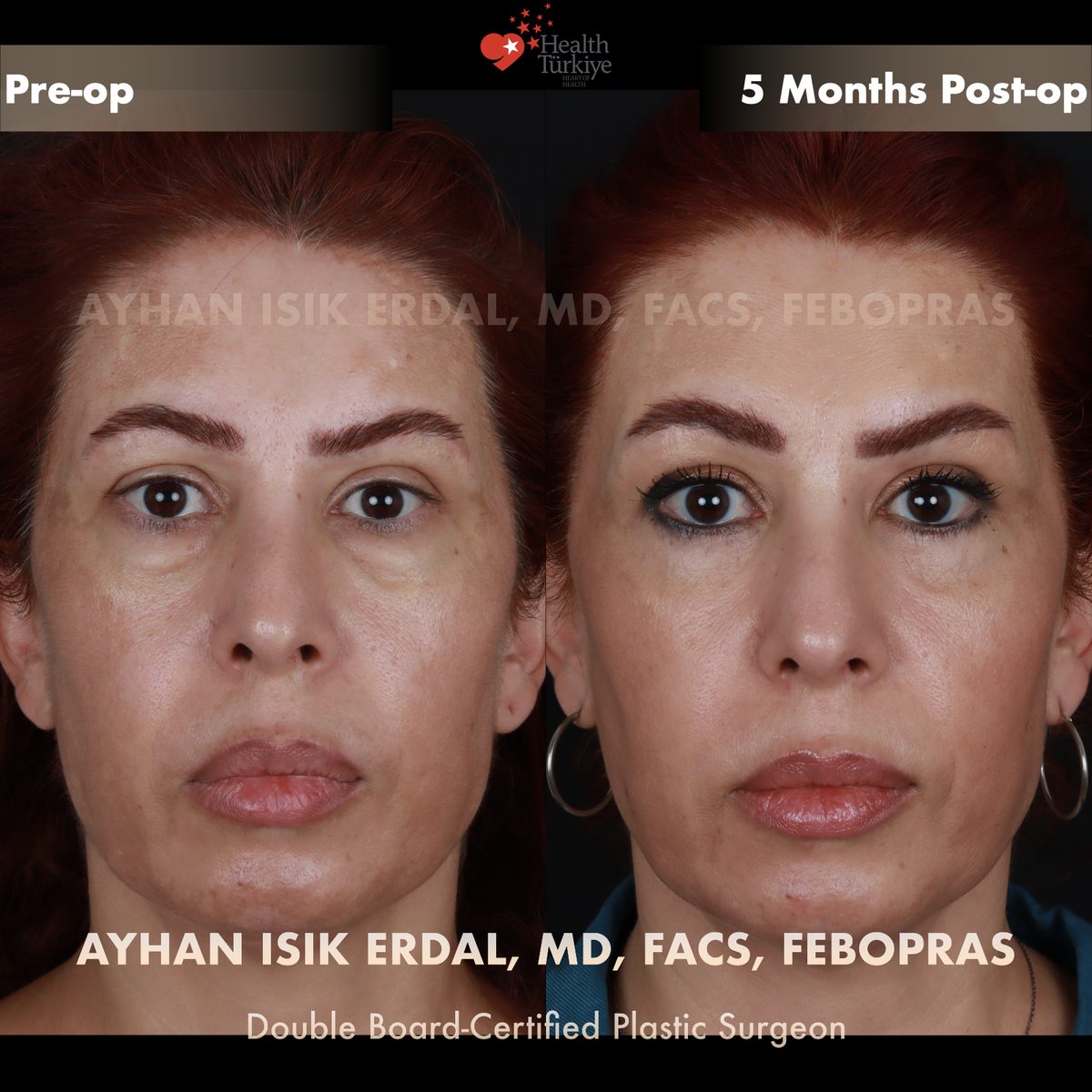
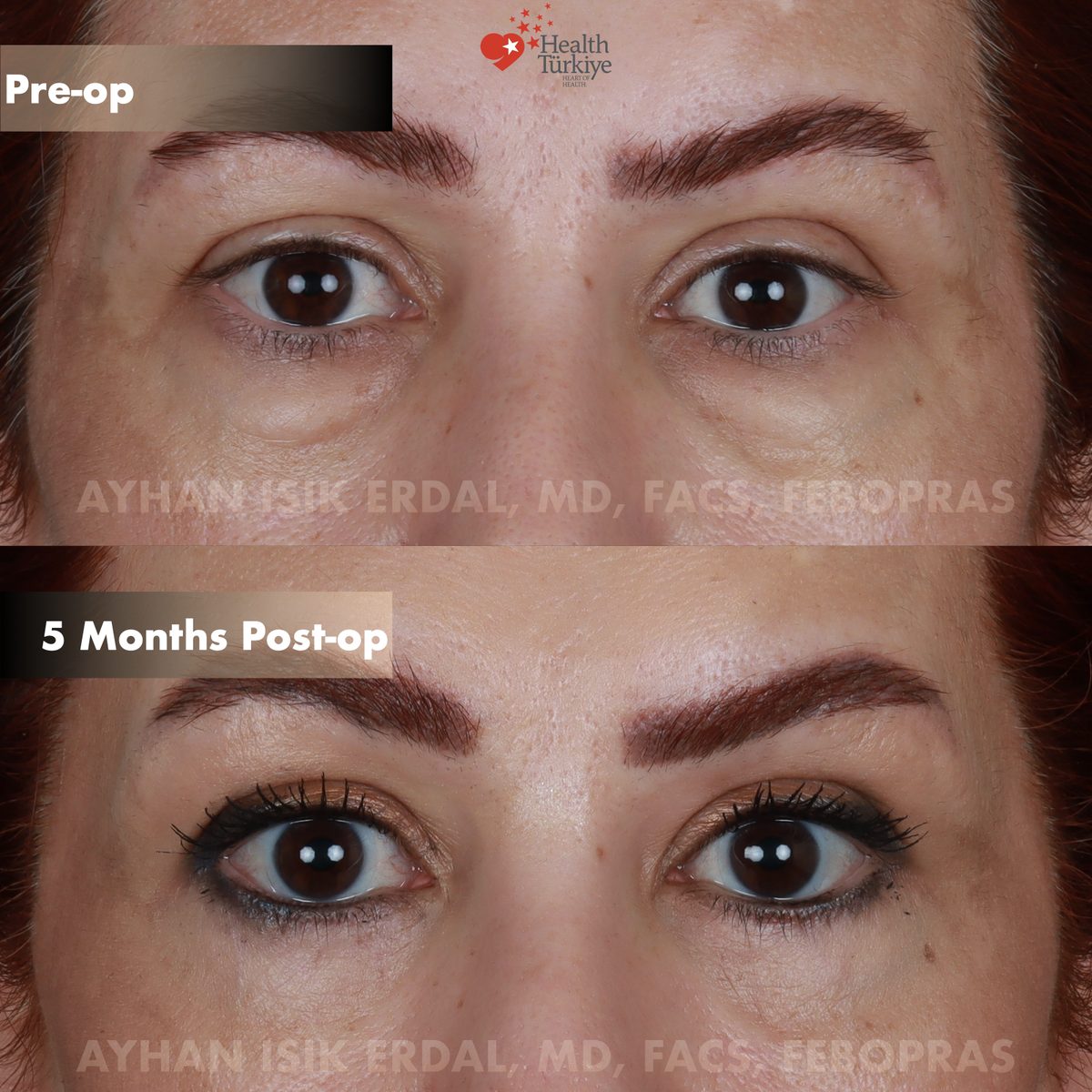
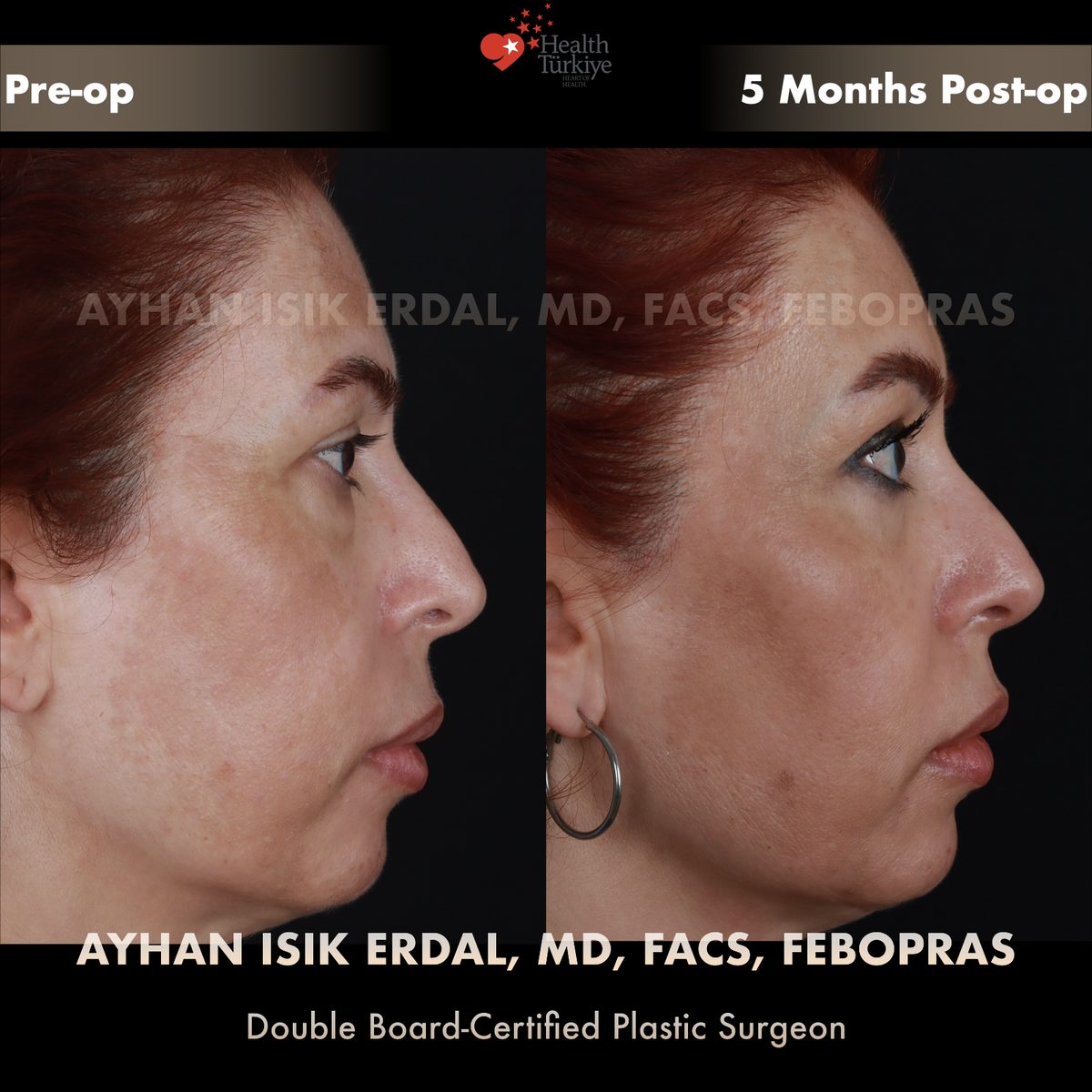
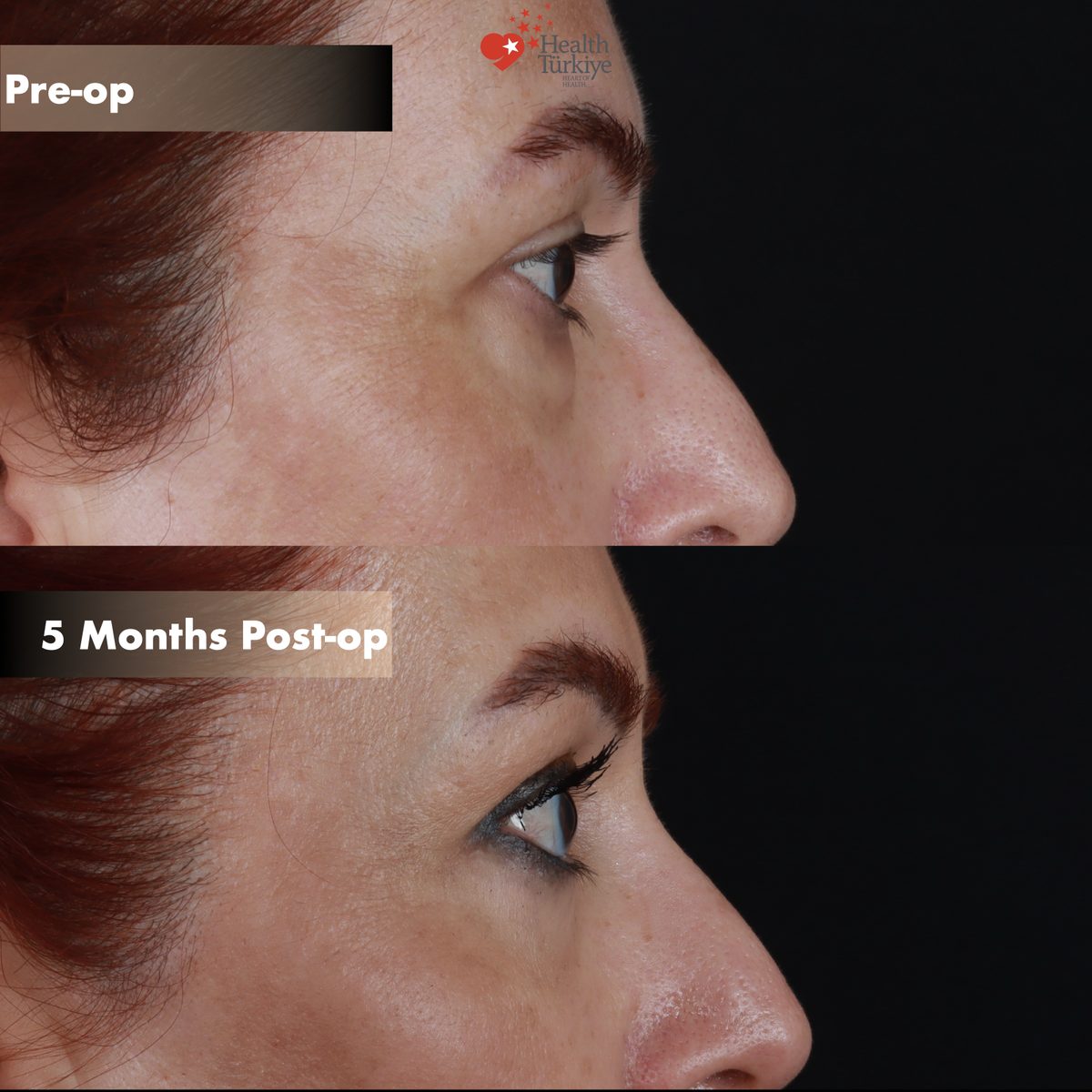
Case 2 · Lower blepharoplasty · 5 months post-op
Lower blepharoplasty addressing prominent under-eye bags with mild skin laxity.
Late-40s female patient with hereditary-pattern lower-lid fat herniation and accompanying skin laxity. Pre-operative findings: bilateral fat bags, tear-trough hollow, and mild crepiness of the lower-lid skin. Approach: lower blepharoplasty with conservative fat repositioning and a minimal skin pinch to address surface laxity without compromising lid support. Result at 5 months shows complete resolution of the bag contour with preserved natural eye shape.
Case 3 · Lower blepharoplasty · 6 months post-op
Lower blepharoplasty addressing hereditary fat bags and tear-trough deformity.
Mid-40s female patient with a strong hereditary pattern of early lower-lid fat herniation paired with a deep tear-trough groove. Pre-operative findings: prominent medial and central fat pad herniation, marked tear-trough hollow producing visible dark shadows even in flat lighting. Approach: transconjunctival lower blepharoplasty with full three-compartment fat repositioning across the orbital rim. Result at 6 months — the final aesthetic endpoint — shows the under-eye area resolved to a smooth, fresh contour with preserved natural anatomy.
Not sure if you're a candidate?
Blepharoplasty is most successful when patient anatomy, age, and goals align with what surgery can realistically deliver. Send three facial photos (front, profile, eyes-closed) and Doç. Dr. Erdal will give you an honest, no-pressure suitability assessment before you commit to anything.
Could your case be similar?
Send three photos (front, profile, three-quarter) over WhatsApp and Doç. Dr. Erdal will give you an honest assessment of what surgery could realistically deliver in your specific case — and whether it's the right approach at all.